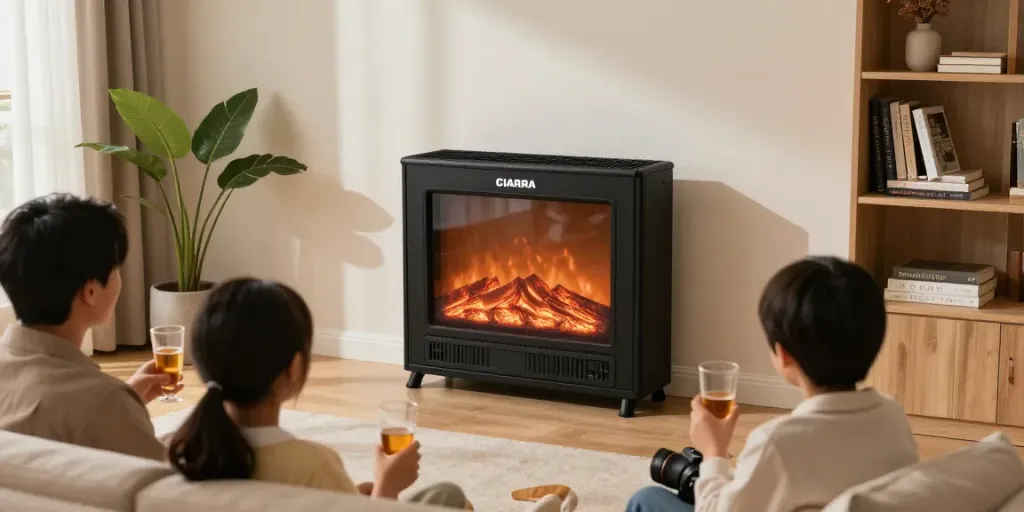
Understanding Electric Radiators: Basics and Benefits
Electric radiators have transformed the way we think about home heating. These versatile appliances combine efficiency with style, making them suitable for various spaces and preferences. By using electricity to generate heat, they offer a cleaner alternative to traditional heating methods, which often rely on fossil fuels. When exploring options, Electric Radiator choices can provide comprehensive insights that align with modern expectations for both functionality and design.
What is an Electric Radiator?
An electric radiator is a type of heater that utilizes electricity as its primary energy source to generate heat and warm up indoor spaces. These radiators come in various designs and styles, including freestanding, wall-mounted, and integrated units, catering to different aesthetic preferences and functional requirements. Unlike traditional heating systems that distribute heat through water or steam, electric radiators operate with thermal resistance, resulting in quicker heating times and more precise temperature control.
Key Advantages of Using Electric Radiators
- Efficiency: Electric radiators convert nearly 100% of the electrical energy into heat. This efficiency leads to reduced energy waste and lower utility bills.
- Easy Installation: These units are often simpler to install than conventional heating systems, requiring minimal plumbing or ductwork.
- Space-Saving Designs: Many electric radiators come in slim profiles, making them ideal for tight spaces.
- Smart Features: Advancements in technology have allowed many electric radiators to integrate with smart home systems, enabling users to control them remotely.
Different Types of Electric Radiators Explained
Electric radiators come in several types, each catering to specific heating needs:
- Convection Radiators: These radiators heat air, which then circulates throughout the room. They're known for their quick heat distribution.
- Storage Radiators: These units store heat during off-peak hours and release it slowly, providing a more sustained heating solution.
- Ceramic and Aluminium Radiators: Combining these materials allows for rapid heating and cooling, making them highly efficient.
Choosing the Right Electric Radiator for Your Space
Selecting the appropriate electric radiator requires consideration of several key factors to ensure optimal performance and satisfaction.
Factors to Consider When Selecting an Electric Radiator
Before making a purchase, consider the following factors:
- Heating Needs: Assess the size of the space you need to heat. Larger areas may require multiple units or higher wattage models.
- Energy Efficiency Ratings: Look for models with high energy efficiency ratings to reduce overall energy consumption.
- Design and Aesthetic: Choose a design that complements your home's decor. Modern electric radiators come in various styles and colors.
Room Size and Required Wattage
The wattage needed for an electric radiator typically correlates with the room size. A general rule of thumb is to allocate approximately 100 watts per square meter of space. For example, a 20 square meter room would require a radiator with a capacity of around 2000 watts. However, other factors such as insulation, ceiling height, and outside temperature should also be taken into account for more accurate calculations.
Design and Aesthetic Considerations
Electric radiators are available in sleek, modern designs that can enhance the visual appeal of any space. Whether you prefer a minimalist look or a more traditional style, there are options that suit a variety of tastes. Wall-mounted models save floor space and create a clean aesthetic, while freestanding units offer flexibility in terms of placement.
Installation and Safety: Best Practices
Proper installation and adherence to safety standards are crucial when using electric radiators to ensure efficient operation and avoid hazards.
How to Properly Install an Electric Radiator
Electric radiators can be installed by following these basic steps:
- Choose a suitable location, preferably away from furniture and obstructions to maximize heat distribution.
- Ensure access to an appropriate electrical outlet, ideally grounded and suited to the unit's voltage requirements.
- Mount the radiator according to the manufacturer's instructions, ensuring it is securely fixed.
- Test the radiator post-installation to confirm it operates correctly.
Safety Features: What to Look For
When selecting electric radiators, look for models that include the following safety features:
- Overheat Protection: Automatically switches off the radiator if it overheats.
- Child Lock: Prevents accidental adjustments or operation.
- Water Resistance: Especially important for bathroom installations; units should have an IP rating of at least IP24.
Common Safety Mistakes to Avoid
Avoiding common safety mistakes can prevent hazards:
- Do not block the radiator with furniture or curtains, as this can create fire risks.
- Never use an extension cord with an electric radiator; always plug it directly into the wall socket.
- Avoid using the radiator for drying clothes or as a surface for storage.
Energy Efficiency and Cost Savings with Electric Radiators
Electric radiators can offer significant savings on heating costs when used wisely.
Are Electric Radiators Cost-Effective for Heating?
While electric heating can sometimes lead to higher utility bills, modern electric radiators are designed for efficiency. By using programmable thermostats and timers, users can optimize heating schedules to minimize energy use when rooms are unoccupied.
Tips for Maximizing Energy Efficiency
- Use Timers: Set your electric radiator to turn on shortly before you arrive home and off before you leave.
- Maintain Thermostat Settings: Keeping the thermostat at a consistent temperature helps avoid unnecessary fluctuations that can drain energy.
- Insulate Properly: Make sure your home has good insulation to retain heat and reduce the workload on your heating system.
Comparing Operating Costs with Other Heating Systems
When comparing electric radiators to other heating systems, consider not just the upfront costs but also long-term operational costs. Electric systems can be more expensive during peak hours, but pairing them with renewable energy sources can enhance cost-effectiveness and reduce your carbon footprint.
Future Trends in Electric Heating: What to Expect in 2026
As technology evolves, so do electric heating systems. Here are some anticipated trends for 2026.
Innovative Technologies in Electric Radiator Design
We expect electric radiators to incorporate advanced materials and designs, allowing for better heat retention and distribution. This could include improved ceramic and aluminum composites for quicker heating times and enhanced durability.
Smart Features and Connectivity: The Rise of IoT Heating
The integration of IoT (Internet of Things) technology into heating systems will likely expand, allowing for seamless control through smartphones and home automation systems. This trend could revolutionize how we manage heating, making it more personalized and efficient.
Environmental Considerations and Sustainability Trends
With increasing awareness of environmental issues, manufacturers may focus on creating electric radiators that utilize sustainable materials and energy-efficient processes, aligning with global sustainability goals.
Are electric radiators a good idea?
Electric radiators are an excellent choice for many homeowners due to their efficiency, ease of installation, and low maintenance requirements. They offer flexibility in heating options, making them suitable for various room sizes and layouts.
Do electric radiators use a lot of power?
While the power consumption of electric radiators can vary based on the model and usage, modern units are designed to be energy-efficient, thus potentially lowering energy costs compared to older models or traditional heating systems.
Is there such a thing as electric radiators?
Yes, electric radiators are widely available and increasingly popular, thanks to their convenience and efficiency. They come in various designs to suit different aesthetic preferences.
What is the cheapest way to heat your house with electricity?
The cheapest way to heat your home with electricity often involves using electric radiators in conjunction with energy-efficient practices, such as proper insulation and smart timers to distribute heating efficiently throughout the day.
How do electric radiators compare to traditional heating systems?
Electric radiators provide several advantages over traditional heating systems, including quicker heat distribution, easier installation, and lower upfront costs. They tend to be more energy-efficient and can be managed more easily through smart technologies.