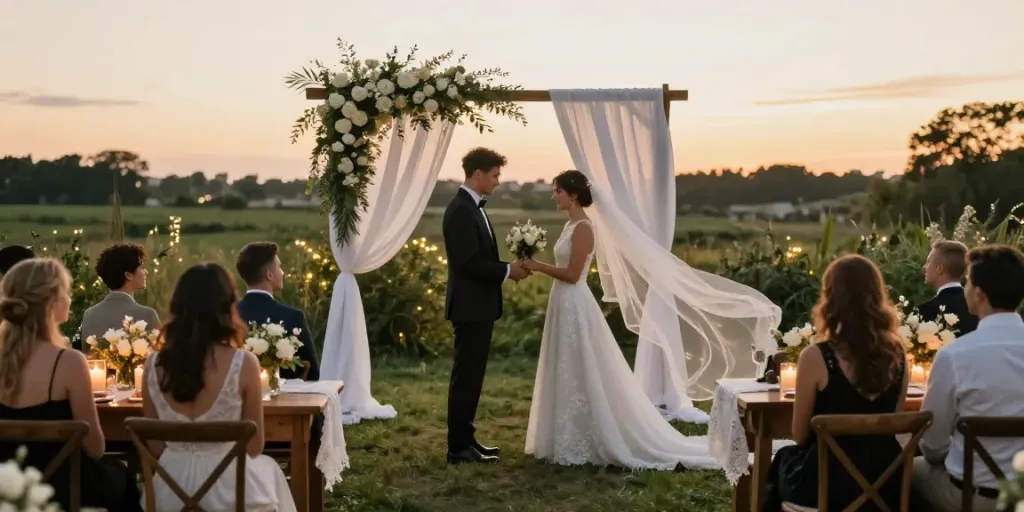
Essential Wedding Planning Tips for 2026
Planning your dream wedding can feel overwhelming, especially with the myriad options available today. As the wedding industry evolves, so do the expectations of couples. In 2026, couples are looking for a blend of tradition and personalization, hoping to create memorable experiences for both themselves and their guests. This guide will provide comprehensive wedding planning tips that encapsulate modern trends and timeless advice, ensuring that your big day is everything you've envisioned.
Understanding Modern Trends
The wedding landscape is ever-changing, with new trends emerging each year. In 2026, more couples are embracing sustainability. This means opting for eco-friendly venues, organic catering options, and biodegradable decorations. Not only does this choice reflect a commitment to environmental responsibility, but it also sets a unique tone for your celebration.
- Sustainable Venues: Choose locations that focus on reducing their carbon footprint.
- Locally Sourced Food: Hire caterers who use ingredients from local farms.
- Zero-Waste Decor: Implement decorations that can be reused or recycled.
Prioritizing Guest Experience
Today's couples recognize the importance of making their guests feel valued and included. This trend is largely driven by feedback from attendees who appreciate thoughtful touches. Here are key ways to enhance guest experience:
- Welcome Bags: Personalize each bag with local treats or essentials for the day.
- Comfort Stations: Set up areas with blankets for outdoor events, lip balm, or even sunscreen.
- Custom Seating: Offer a seating chart that incorporates the guests' names and table numbers in a creative design.
Setting a Realistic Budget
Your budget is arguably the most important aspect of your wedding planning. Start by listing all potential expenses and categorize them into essentials, choices, and luxuries. This will help you prioritize spending and avoid overspending in any one area. For example:
- Essentials: Venue rental, catering, officiant, and attire.
- Choices: Floral arrangements, photography, and live music.
- Luxuries: High-end favors, extravagant decor, or a luxury honeymoon.
Common Pitfalls to Avoid in Wedding Planning
Overlooking Important Details
Amidst the excitement of planning, small details can be easily forgotten. An effective strategy is to maintain a dedicated wedding planning checklist that covers every aspect of the day, from vendor contact information to detailed timelines. Additionally, allocate time for final confirmations with all vendors a week before the wedding to avoid last-minute surprises.
Ignoring Vendor Contracts
Many couples may overlook the importance of thoroughly understanding vendor contracts. Before signing, ensure that all details are transparent, including cancellation policies and payment schedules. It's prudent to clarify any ambiguous terms to prevent misunderstandings later on.
Failing to Communicate with Your Partner
Communication is the backbone of a successful wedding planning experience. Regularly discuss your ideas, budgets, and expectations with your partner to ensure you are both on the same page. This can prevent conflicts and ensure a collective vision for your big day.
Strategies for Stress-Free Wedding Planning
Creating a Comprehensive Checklist
A well-structured checklist is indispensable in wedding planning. Break down tasks by timeline (e.g., what needs to be done 6 months, 3 months, and 1 month before the wedding). This not only helps you stay organized but also ensures you don’t miss any critical tasks.
Utilizing Wedding Planning Apps
In today's digital age, several apps can simplify the planning process. From budget trackers to RSVP management tools, utilizing technology can streamline your planning efforts. Popular apps include The Knot and Zola, which offer user-friendly platforms for organizing all wedding-related tasks.
Setting Time Limits on Decisions
Wedding planning can often lead to decision fatigue. To combat this, set a deadline for making decisions about vendors, themes, and décor. This encourages a more decisive approach and helps manage the planning timeline effectively.
Incorporating Personal Touches into Your Wedding
Personalized Ceremony Ideas
Every couple wants their wedding to be unique. Incorporating personalized elements into your ceremony can create lasting memories. For instance, consider writing your vows or including cultural traditions that reflect your heritage. Personalized music selections can also enhance the atmosphere.
Unique Reception Themes
Reception themes are a fantastic opportunity to showcase your personality as a couple. Whether you prefer a vintage aesthetic or a modern minimalist vibe, ensure that the theme resonates with both you and your guests. Think outside the box with ideas like a carnival-themed wedding or an elegant masquerade ball.
DIY Decorations
Adding DIY decorations can significantly personalize your wedding while also being budget-friendly. From handmade centerpieces to custom signage, these touches can make your event feel uniquely yours. You might even consider involving family and friends in creating some of these elements, adding an extra layer of meaning to your day.
Looking Ahead: Future Trends in Weddings
Sustainable Wedding Planning
As discussed, sustainability is becoming more crucial in wedding planning. Future couples will increasingly prioritize green options, from venues powered by renewable energy to favors that give back to the environment.
Virtual Reality Experiences for Guests
Incorporating technology into weddings can extend beyond simple photo booths. Virtual reality experiences can provide guests with immersive experiences, such as exploring virtual landscapes matching the wedding theme or even live-streaming from different locations.
Emerging Technologies in Wedding Planning
From advanced wedding planning software to AI-driven guest management systems, the future of wedding planning is leaning heavily into technology. Utilizing these advancements can enhance both the planning experience and guest participation.
What is the 50/30/20 rule for wedding planning?
This budgeting principle can help couples manage their wedding expenses efficiently. It suggests allocating 50% of your budget to non-negotiable costs (venue, catering), 30% to discretionary spending (decor, entertainment), and 20% for savings or unexpected expenses.
What are common wedding planning mistakes?
Common mistakes include procrastination, not setting a clear budget, and neglecting communication with vendors. Awareness of these pitfalls can help couples plan a smoother wedding experience.
What is the 30-5 rule for weddings?
In the context of wedding planning, the 30-5 rule suggests that couples should invite 30% more guests than they can accommodate to account for last-minute cancellations or no-shows. This rule can help ensure that your reception feels lively, even if not everyone can attend.
Who walks mom down the aisle?
This tradition varies significantly based on cultural and personal preferences. For more information, wedding planning checklist offers valuable insights. Some grooms choose to walk with their mothers to honor the bond they share, while others may prefer to walk alone or with their partner. The key is to choose what feels right for your family dynamics.