Understanding IEC Connectors: The Basics
IEC connectors, short for International Electrotechnical Commission connectors, serve as the backbone of electrical connectivity in a myriad of applications. They are essential components in ensuring reliable power supply across various devices, from home appliances to industrial machinery. As industries increasingly adopt advanced technologies, the relevance of IEC connectors cannot be overstated. These connectors allow for safe and efficient electrical connections, providing power to equipment that meets stringent safety standards. When exploring options, IEC connector manufacturer offerings can provide comprehensive insights into the variety and specifications available in the market.
What is an IEC Connector?
IEC connectors are standardized connectors defined by the International Electrotechnical Commission. They are designed to connect devices to a power supply safely. These connectors come in various formats, such as IEC 60320, which is commonly used for household and commercial appliances. IEC connectors are essential because they not only provide power but also ensure that appliances operate efficiently and safely.
Key Features of IEC Connectors
- Standardization: IEC connectors are manufactured according to international standards, ensuring compatibility across devices globally.
- Voltage and Current Ratings: These connectors can handle voltage up to 250V and current up to 16A, making them suitable for various applications.
- Durability: Constructed from high-quality materials, IEC connectors are designed to withstand wear and tear, ensuring longevity and reliability.
- Safety Mechanisms: Many IEC connectors include safety features to prevent accidental disconnection and other electrical mishaps.
Safety Standards and Certifications
The safety and reliability of IEC connectors are underscored by rigorous testing and certification processes. Most IEC connectors comply with safety standards such as UL, CE, and RoHS, ensuring that they meet the necessary quality and environmental regulations. These certifications are crucial for manufacturers, as they instill confidence in the end-users regarding the safety of the components they are using.
Why Choose an IEC Connector Manufacturer?
Choosing the right IEC connector manufacturer is vital for ensuring high-quality components that can perform reliably in various applications. The selection process should involve evaluating manufacturers based on their quality assurance processes, customization options, and the overall reputation in the industry.
Quality Assurance Processes
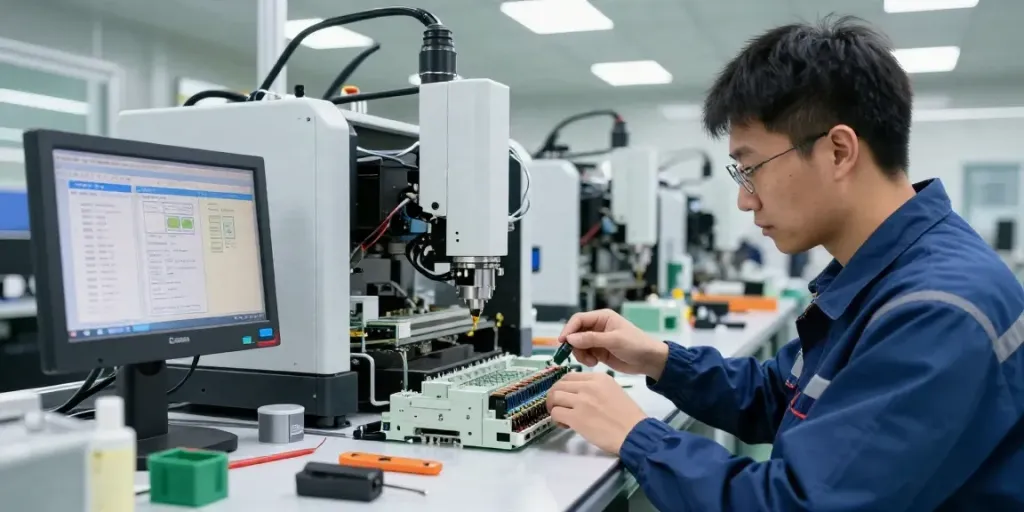
Reputable IEC connector manufacturers have established stringent quality assurance processes that encompass every stage of production. From sourcing raw materials to final product testing, these processes ensure that every connector meets the required specifications and safety standards. Quality checks during manufacturing minimize defects and enhance product reliability.
Customization Options for Diverse Applications
Another significant advantage of working with a dedicated IEC connector manufacturer is the availability of customization options. Manufacturers often provide tailored solutions to cater to the specific needs of various industries. This could range from custom cable lengths to unique connector configurations, enhancing the usability of IEC connectors in specialized applications.
Comparative Analysis: In-House vs. Outsourced Manufacturing
Manufacturers typically face the choice between in-house production and outsourcing. In-house manufacturing allows for greater control over quality and production timelines but may require significant investment in equipment and skilled labor. Conversely, outsourcing can reduce costs but may introduce risks associated with quality consistency and supply chain management. When selecting a manufacturer, considering their production strategy is essential.
Applications of IEC Connectors in Various Industries
IEC connectors are versatile and can be found in multiple industries, including commercial electronics, telecommunications, medical equipment, and even electric vehicle infrastructure. Below are some notable applications:
Commercial and Consumer Electronics
In the realm of consumer electronics, IEC connectors are ubiquitous. They power devices such as televisions, computers, and audio systems. These connectors ensure a secure and reliable connection, which is crucial for high-performance electronics.
Data Centers and IT Infrastructure
Data centers rely heavily on IEC connectors for power distribution. Due to the sensitive nature of IT equipment, high-quality connectors are imperative to prevent outages and maintain operational efficiency. These connectors help manage the power requirements of servers and storage devices, facilitating optimal performance.
Medical and Laboratory Equipment
In medical applications, IEC connectors must meet stringent safety and reliability standards. They are used in diagnostic machines, life-support systems, and other critical medical devices where failure is not an option. The reliability of IEC connectors in these settings underscores their importance in maintaining patient safety.
Challenges in the IEC Connector Supply Chain
The supply chain for IEC connectors faces several challenges, including fluctuating demand, supply risks, and quality control issues. Addressing these challenges is vital for maintaining a steady supply of high-quality components.
Identifying and Mitigating Supply Risks
Supply chain disruptions can occur due to various factors, including geopolitical tensions, natural disasters, and global pandemics. Manufacturers must establish robust risk management strategies, such as diversifying suppliers and maintaining sufficient inventory levels to mitigate these risks.
Shipping and Delivery Solutions
Efficient shipping and delivery solutions are critical for manufacturers to meet customer demands. This includes offering flexible shipping terms, optimizing logistics processes, and ensuring compliance with international shipping regulations. Quick and reliable delivery enhances customer satisfaction and builds long-term relationships.
Future-Proofing Against Industry Changes
The electronics industry is continuously evolving, necessitating manufacturers to adapt to changing market demands. Future-proofing involves investing in new technologies and processes that enhance production flexibility, allowing manufacturers to respond swiftly to new challenges and opportunities.
Emerging Trends in IEC Connector Technology
As technology progresses, IEC connectors are also evolving. Several trends are shaping the future of connector design and functionality.
Innovations in Design and Functionality
Advancements in materials and design techniques are leading to the development of more compact and efficient IEC connectors. Innovations include features such as locking mechanisms, more robust materials, and improved thermal management, enhancing the overall reliability and safety of power connections.
Environmental Impact and Sustainability Practices
The push for sustainability is influencing manufacturing practices in the connector industry. Manufacturers are increasingly focusing on eco-friendly materials and processes, reducing waste, and minimizing their carbon footprint. This shift is not only beneficial for the environment but also appeals to eco-conscious customers.
Predictions for the Future of IEC Connectors
Looking ahead, the demand for IEC connectors is expected to rise as industries embrace automation and smart technologies. Future IEC connectors may incorporate smarter features such as real-time monitoring of electrical connections, allowing for predictive maintenance and improved safety.
How to Choose the Right IEC Connector Manufacturer?
When selecting an IEC connector manufacturer, it is essential to evaluate several factors. Consider their industry experience, product range, customization capabilities, and customer service reputation. Thorough research can help ensure that you choose a manufacturer who can meet your specific needs while providing high-quality and reliable products.