Understanding Hair Transplant Techniques
Hair restoration procedures have evolved significantly in recent years, offering improved techniques and outcomes for individuals facing hair loss. One option that's gaining traction is the Hair Transplant, a surgical solution designed to combat thinning hair and baldness. This technique involves relocating hair follicles from areas of the scalp where hair is plentiful to regions experiencing hair loss. In Malaysia, several advanced methodologies are available, prominently including Follicular Unit Extraction (FUE), Follicular Unit Transplantation (FUT), and Direct Hair Implantation (DHI).
What is a Hair Transplant?
A hair transplant is a cosmetic surgical procedure that involves harvesting hair follicles from a donor site—typically the back or sides of the scalp, where hair tends to be more resilient—and implanting them into balding or thinning areas. This technique exploits the genetic resistance of these donor follicles to dihydrotestosterone (DHT), a hormone responsible for hair loss in both men and women. The procedure aims to create a fuller, natural-looking hairline that blends seamlessly with existing hair.
Overview of Types: FUE, FUT, and DHI
Each of the hair transplant techniques has its unique methodology, advantages, and potential drawbacks. Understanding these can help patients make more informed decisions about their hair restoration journey.
- Follicular Unit Extraction (FUE): This method involves extracting individual follicular units directly from the donor site using a specialized punch tool. The extracted follicles are then meticulously implanted into the thinning or balding areas. The benefits of FUE include minimal scarring and a shorter recovery time.
- Follicular Unit Transplantation (FUT): Also known as the strip method, FUT involves removing a thin strip of scalp and subsequently dividing it into individual grafts. While this method can yield a higher graft count in one session, it does leave a linear scar.
- Direct Hair Implantation (DHI): This technique enhances FUE by using a pen-like tool that allows for simultaneous extraction and implantation of grafts, giving surgeons more control over the placement of follicles.
Choosing the Right Method for Your Needs
The choice of hair transplant technique depends on various factors including the extent of hair loss, quality of donor hair, budget, and personal preferences regarding post-operative recovery. Consulting with a qualified hair restoration specialist is essential to identify the most suitable method.
Cost Factors in Hair Transplant Procedures
When considering a hair transplant, one of the most significant factors influencing the decision is the cost. In Malaysia, the cost of hair transplants is typically lower than in Western countries, making it an attractive option for many.
Pricing Breakdown: What Affects the Cost?
The overall cost of a hair transplant can vary based on several factors, including the technique chosen, the number of grafts required, and the clinic's location. Generally, the price per graft can range from RM5 to RM15. Clinics may offer full packages ranging from RM8,000 to RM30,000 or more, depending on the specific needs of the patient.
Understanding Graft Count and Its Pricing
Graft count plays a crucial role in determining the total amount a patient will pay for a hair transplant. The number of grafts needed is based on the degree of hair loss. A typical session may involve anywhere from 1,000 to 4,000 grafts, and pricing is usually structured around this count.
Cost Comparison: Malaysia vs. International Clinics
Hair transplant procedures in Malaysia are generally 40-60% cheaper than equivalent surgeries in the US, UK, or Australia. This cost-effectiveness does not come at the expense of quality, especially in accredited clinics like GLOJAS, which maintain stringent safety and efficacy standards.
SMART™ FUE Hair Transplant Process
At GLOJAS Specialist Clinic, a pioneer in hair restoration, the SMART™ FUE technique has revolutionized the way hair transplants are conducted, ensuring natural and long-lasting results.
Step-by-Step Procedure Overview
The SMART™ FUE process begins with a comprehensive consultation, followed by the extraction of follicles using a delicate punch tool. Here’s a brief overview:
- Consultation: Assessing hair loss and discussing goals.
- Preparation: Local anesthesia is administered for comfort.
- Follicle Extraction: Individual follicles are harvested from the donor area.
- Graft Placement: The extracted follicles are strategically placed in the recipient area, adhering to the natural follicle direction and density.
- Aftercare: Detailed post-operative instructions ensure proper healing and optimal results.
Post-Procedure Care and Recovery
After the procedure, patients are provided with specific aftercare guidelines, including medications to manage discomfort, instructions on how to care for the scalp, and follow-up appointments to monitor progress. The initial recovery period can vary, but most patients return to normal activities within a few days.
Success Rates and Long-term Results
Hair transplants have a high success rate, with results becoming more evident as the transplanted hair begins to grow over the subsequent months. Most patients experience significant hair regrowth within six to twelve months after the procedure, with results lasting for many years, or even a lifetime, depending on individual factors.
Patient Eligibility and Expectations
Understanding who is a good candidate for a hair transplant can help set realistic expectations for the results.
Who Makes a Good Candidate for a Hair Transplant?
Ideal candidates are typically those with sufficient donor hair and realistic expectations about the outcomes. Patients experiencing male or female pattern baldness are often the best candidates for transplant procedures. Additionally, individuals with stable hair loss patterns are more likely to achieve successful results.
Common Myths and Misconceptions about Hair Transplants
Many myths surround hair transplant procedures, including the notion that they are only suitable for older individuals or that they require extensive downtime. In reality, both men and women of various age groups can benefit from hair transplants, and recovery times can be quite short.
Consultation Process: What to Expect
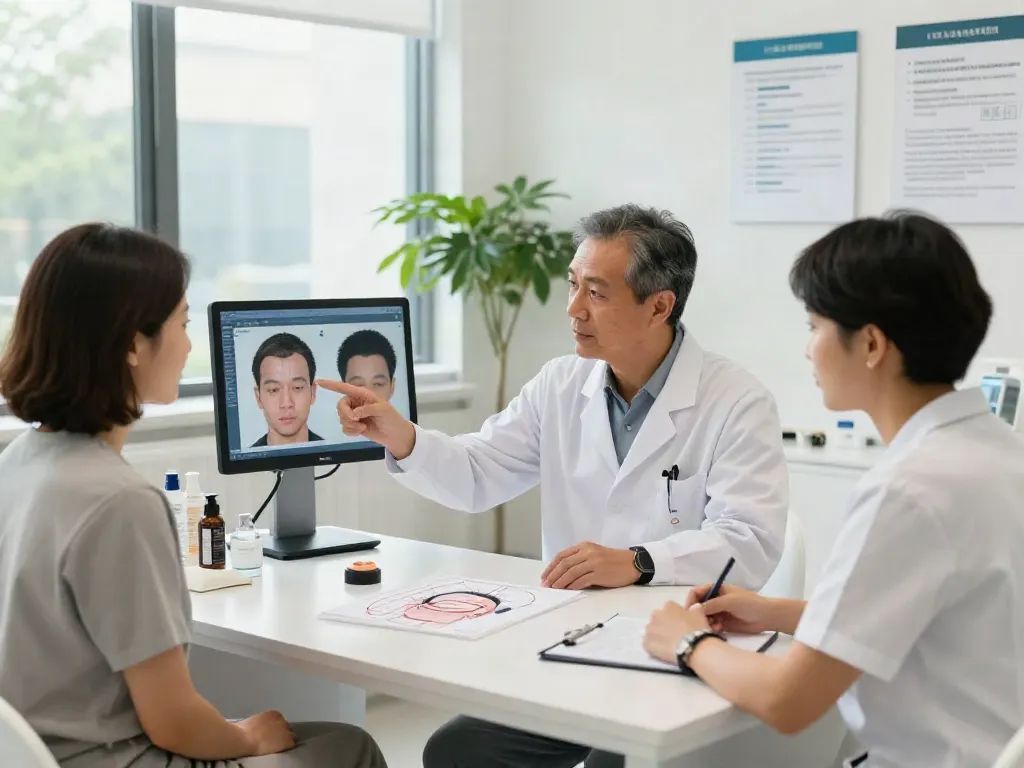
The consultation process is a pivotal step in the hair transplant journey. Expect a thorough evaluation of your scalp, hair loss patterns, and an in-depth discussion regarding the expectations and available techniques. This consultation is crucial for tailoring the treatment plan to your specific needs.
Emerging Trends and Innovations in Hair Restoration
The field of hair restoration is continually evolving, with innovations aimed at enhancing the effectiveness of procedures and improving patient experiences.
Robotic-Assisted Hair Transplant Techniques
Robotic-assisted hair transplants are becoming increasingly common. These systems utilize artificial intelligence to assist in the precise extraction and placement of hair follicles, resulting in improved accuracy and reduced fatigue for the medical team.
Future of Hair Restoration: What's Next for 2026?
As technology advances, we can expect further developments in minimally invasive procedures, enhanced graft survival rates, and personalized treatment protocols, all designed to meet the unique needs of patients. Innovations such as stem cell therapy and advanced PRP treatments are also on the horizon.
Patient-Centric Approaches in Hair Clinics
Today’s hair restoration clinics prioritize patient experience and satisfaction, offering tailored care that extends beyond the surgical procedure. This includes comprehensive aftercare, mental health support, and continuous follow-up to ensure optimal recovery and results.
How long will hair transplants last?
Hair transplants provide permanent results, as transplanted hair follicles retain their genetic resistance to hair loss. However, maintaining overall hair health post-procedure is crucial for long-term satisfaction.
How much do 3,000 hair grafts cost in the USA?
The average cost for 3,000 hair grafts in the USA can range from $10,000 to $15,000, depending on the clinic and the technique used.
How risky are hair transplants?
While hair transplants are generally safe, as with any surgical procedure, they do carry certain risks, including infection, scarring, and dissatisfaction with aesthetic results. Consulting with a qualified professional can help mitigate these risks.
Is a hair transplant 100% successful?
While hair transplants have high success rates, the final results depend on various factors, including the skill of the surgeon, care taken during recovery, and individual biological response to the procedure.
What are the side effects of hair transplants?
Common side effects may include temporary swelling, discomfort at the donor site, and scabbing in the recipient area. However, these symptoms typically resolve within a few days if proper aftercare is followed.