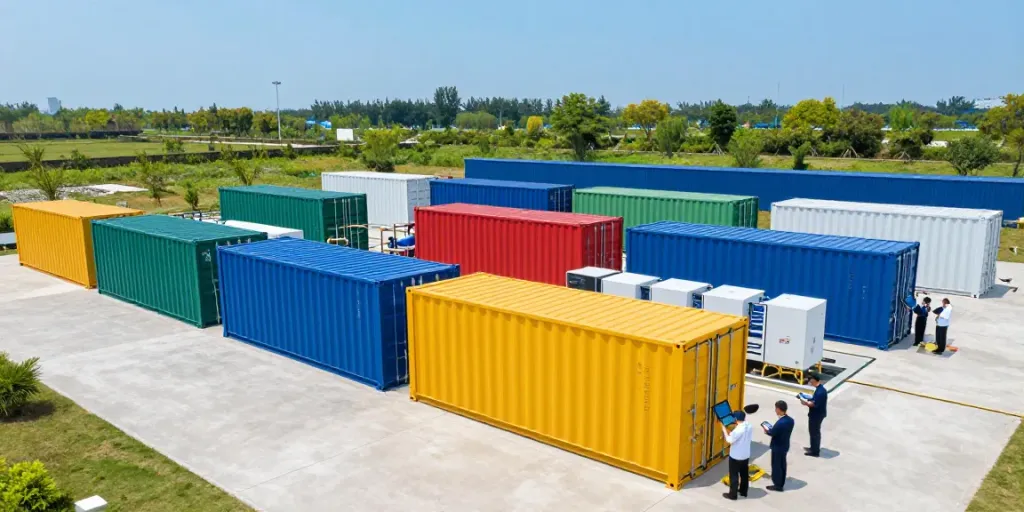
Understanding Containerized Water Treatment Systems
Containerized water treatment systems are revolutionizing the way we approach water purification across various sectors. These innovative systems offer a modular and flexible solution capable of meeting diverse water treatment needs—from municipal applications to industrial facilities and remote locations. With the ability to be swiftly deployed and easily relocated, containerized treatment systems are designed for scenarios where traditional water treatment facilities may lack the feasibility or efficiency. Containerized water treatment systems represent a paradigm shift, enabling users to produce high-quality drinking water, regardless of the incoming water source quality.
What are Containerized Water Treatment Systems?
Containerized water treatment systems are portable, prefabricated units that house a complete range of water purification technologies within ISO shipping containers. These systems are equipped to handle various treatment processes, including filtration, reverse osmosis, and disinfection, ensuring that the output meets or exceeds safe drinking water standards. Their compact and modular design allows for rapid deployment and adaptability, making them ideal for managing both emergency situations and planned expansions in water treatment capacity.
Core Components and Functions
The core components of a containerized water treatment system typically include:
- Intake Systems: These systems collect raw water from various sources and prepare it for treatment.
- Filtration Units: These remove larger particles and contaminants from the water.
- Purification Modules: Advanced processes, including reverse osmosis (RO) and ultraviolet (UV) disinfection, ensure the produced water is safe and clean.
- Storage Tanks: Treated water is stored for immediate use or distribution.
- Control Systems: These enable real-time monitoring and automation of the entire treatment process.
Benefits Over Traditional Treatment Methods
Containerized water treatment systems have several advantages compared to traditional water treatment methods, which typically involve longer construction times and higher operational costs.
Deployment Speed and Flexibility
One of the standout features of containerized systems is their speed of deployment. While traditional systems can take three to six months for on-site construction, containerized units can be operational within three to seven days. This leads to a remarkable 60% reduction in overall project timelines, allowing municipalities and industries to address urgent water needs more effectively.
Space Efficiency and Site Preparation
Traditional water treatment plants often require significant civil engineering and extensive space for construction. In contrast, containerized systems only require a flat surface for placement, saving up to 50% in required floor space. This compact design makes them suitable for locations with spatial constraints.
Quality Control and Intelligence
Containerized systems are designed with factory prefabrication and standardized inspection protocols, which enhance quality assurance. Moreover, modern intelligent control systems allow for real-time monitoring and remote management, leading to improved operational efficiency and reduced human error.
Reusability and Resource Recycling
With a reusability rate exceeding 90%, containerized systems can be easily relocated and repurposed for different projects or applications. Additionally, they support advanced resource recycling modules, efficiently reusing up to 80% of the water resources used in treatment processes, a stark contrast to the lower recycling rates typical of traditional systems.
Design and Implementation Best Practices
When deploying containerized water treatment systems, understanding the design and implementation best practices is crucial for maximizing their effectiveness and longevity.
Site Selection and Preparation
Choosing the right site for deployment is essential. Site selection should consider access to raw water sources, proximity to the end-user population, and the infrastructure for distributing treated water. Proper site preparation includes ensuring a level foundation and access routes for transporting the containerized units.
Modular Design Benefits
The modular design of containerized systems allows for customization based on specific treatment needs. This flexibility means that components can be added or removed as required, ensuring that the system can adapt to changing conditions or regulations without the need for extensive renovations.
Integration with Existing Infrastructure
Containerized systems can be seamlessly integrated with existing water treatment infrastructure. This is particularly beneficial for municipalities looking to upgrade their capabilities without interrupting service. By incorporating reclaimed water reuse modules, these systems offer enhanced sustainability and resilience.
Operational Efficiency and Maintenance
Maintaining operational efficiency is vital for the effective functioning of containerized water treatment systems. By implementing advanced technologies and best practices, operators can ensure seamless performance and longevity of the system.
Real-Time Monitoring Technologies
Many containerized systems are equipped with cutting-edge real-time monitoring technologies that allow operators to track performance metrics, water quality, and system health from a centralized dashboard. This level of oversight enables rapid response to any issues, ensuring consistent water quality and operational reliability.
Common Maintenance Challenges
Despite their many advantages, containerized systems do present some common maintenance challenges. Regular maintenance checks are essential to prevent wear and tear on components such as membranes in RO systems and to ensure that filtration units function effectively. Operators should be trained in troubleshooting common issues to minimize downtime.
Best Practices for System Longevity
To prolong the lifespan of containerized water treatment systems, operators should follow best practices, including:
- Regularly scheduled maintenance and inspections.
- Prompt replacement of worn components.
- Utilizing automated alerts for system anomalies.
Case Studies and Real-World Applications
Containerized water treatment systems have been successfully deployed in a variety of settings, showcasing their versatility and effectiveness.
Municipal Water Treatment Success Stories
Numerous municipalities have implemented containerized systems to address urgent water quality issues, particularly in areas affected by natural disasters. These systems allowed for a rapid restoration of clean water supplies, demonstrating their value in crisis scenarios.
Containerized Systems in Remote Locations
In remote areas where building traditional infrastructure is impractical, containerized systems provide an ideal solution. For example, in rural communities lacking access to safe drinking water, these systems have been deployed to ensure reliable water sources without extensive logistical challenges.
Innovative Industrial Applications
Industries requiring high-purity water, such as pharmaceuticals and electronics, have found great success with containerized water treatment systems. By meeting strict quality controls and enabling quick scaling in production, these systems have become integral to many industrial processes.
Future Trends in Containerized Water Treatment
The global landscape for water treatment is evolving, and containerized systems are at the forefront of these changes. As new technologies emerge, the efficiency and effectiveness of these systems will continue to improve.
Emerging Technologies and Innovations
Future advancements in membrane technology, automation, and AI-based monitoring are expected to enhance the capabilities of containerized water treatment systems. This will likely lead to even greater efficiencies and lower operational costs, as well as improved user experiences.
Sustainability and Resource Reuse
As sustainability becomes an increasing priority across industries, containerized systems will adapt to include even more resource reuse options. By incorporating water recycling technologies and utilizing energy-efficient processes, these systems can contribute significantly to global sustainability goals.
Predictions for the Industry in 2026
Looking ahead to 2026, it is anticipated that the containerized water treatment market will expand significantly. Increased awareness of water scarcity issues, coupled with growing investments in infrastructure, will drive demand for these systems across various sectors.
What are the advantages of containerized water treatment systems?
Containerized water treatment systems offer numerous advantages, including quicker deployment, lower space requirements, high reusability, and enhanced monitoring capabilities. These benefits make them highly suitable for a range of applications, from emergency response to sustained municipal needs.
How quickly can containerized systems be deployed?
Containerized systems can typically be deployed and made operational within three to seven days, a significant improvement over traditional systems that take months to construct.
What types of facilities benefit most from these systems?
Facilities ranging from municipal water plants to industrial operations, including pharmaceuticals and laboratories, benefit significantly from the customization and rapid deployment capabilities of containerized water treatment systems.
Are containerized systems suitable for emergency needs?
Absolutely. Containerized systems are designed for rapid deployment in emergencies, providing an immediate and effective response to water shortages or contamination incidents.
What are the cost implications of choosing containerized systems?
While initial investment costs can vary, the overall cost of ownership for containerized systems tends to be lower than traditional options, due to reduced construction time and operational efficiency.