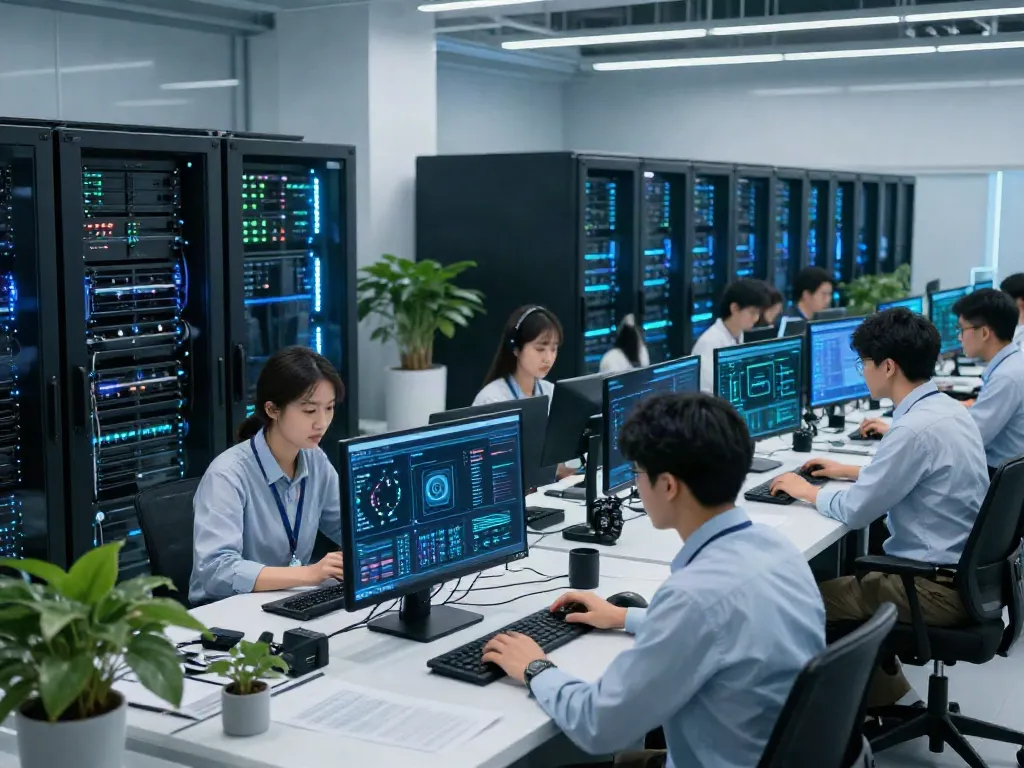
Understanding the AI Data Center Landscape
The advent of artificial intelligence has transformed the landscape of data management, necessitating the creation of specialized facilities known as AI data centers. These centers are specifically designed to support the complex computational demands of AI applications, providing the hardware, software, and power necessary for training and deploying machine learning models. As the industry continues to evolve, understanding the intricacies of AI data centers becomes crucial for businesses aiming to harness AI effectively. When exploring options, AI data center services offer comprehensive insights into how to integrate this vital infrastructure into your operations.
What is an AI Data Center?
An AI data center is a facility that is purpose-built for the unique requirements of artificial intelligence workloads. Unlike traditional data centers that primarily rely on central processing units (CPUs) for various computing tasks, AI data centers are equipped with high-performance graphics processing units (GPUs). These GPUs are essential for handling the parallel processing needs of AI algorithms, specifically for tasks such as deep learning and complex data analytics.
In essence, AI data centers serve as the backbone of AI infrastructure, housing not only the computational power required but also the necessary storage and networking capabilities to manage large datasets. They are integral to a multitude of AI applications including natural language processing, image recognition, and automated decision-making systems.
Core Components of AI Data Centers
The architecture of an AI data center is distinctively tailored to optimize performance and efficiency. Key components include:
- Power Supply: Reliable and scalable power resources are fundamental, as AI workloads demand significant electrical capacity.
- Cooling Systems: High-density GPU operations generate substantial heat, necessitating advanced cooling solutions to maintain optimal performance and prevent hardware failures.
- Networking Infrastructure: High-speed networking facilitates quick data transfer, essential for distributed AI workloads that depend on seamless communication between nodes.
- Data Storage Solutions: Significant amounts of data generated by AI models require robust storage options that can handle rapid read/write cycles and provide high throughput.
These components work in unison to create an environment conducive to the rigorous demands of AI processing, ensuring efficiency and scalability.
Significance in Modern AI Ecosystems
As organizations increasingly deploy AI solutions, the significance of AI data centers within modern ecosystems cannot be understated. They provide the necessary infrastructure that supports innovation in various sectors, including healthcare, finance, and autonomous systems. By optimizing AI data center operations, businesses can enhance their analytical capabilities, allowing for more informed decision-making and operational efficiency.
Moreover, the integration of AI data centers into existing IT architectures symbolizes a shift toward more specialized infrastructure, ultimately enabling organizations to unlock the full potential of artificial intelligence technologies.
Key Benefits of AI Data Centers
Efficiency in AI Workloads Management
The specialized design of AI data centers leads to more efficient management of AI workloads. By utilizing GPUs that are optimized for parallel processing, these centers can execute AI tasks more rapidly than traditional CPU-based systems. This efficiency translates to faster training times for machine learning models, enabling businesses to deploy AI applications at a much quicker pace.
Scalability and Flexibility for Businesses
AI data centers offer the scalability needed to accommodate fluctuating workloads. As AI becomes more prevalent, the demand for compute power can vary widely, necessitating a flexible infrastructure. AI data centers can scale operations based on real-time needs, allowing organizations to adjust their computational resources without significant delays or excessive costs.
Cost-Effectiveness Compared to Traditional Data Centers
While the initial investment in AI data centers may be substantial, the long-term benefits often outweigh these costs. The efficiency of power usage, high-performance computing capabilities, and reduced downtime lead to overall cost savings. Furthermore, the ability to quickly adapt to new AI demands can prevent wasted resources typically associated with underutilized infrastructure.
The Role of Power Infrastructure in AI Data Centers
Importance of Reliable Power Sources
Power infrastructure plays a critical role in the performance and reliability of AI data centers. Given the immense computational power required for AI processes, consistent and high-quality electricity supply is vital. Any interruption in power can severely impact operations, leading to potential data loss and increased operational costs.
How Power Plans Enhance Operational Capacity
Organizations employing AI data centers often engage with energy providers to establish power plans tailored to their specific needs. These plans can optimize energy consumption during peak and off-peak periods, providing cost savings while ensuring sufficient power availability. By aligning power usage with AI workloads, enterprises can enhance their operational capacity and sustainability initiatives.
Global Trends in AI Data Center Power Management
Globally, there is a growing trend towards sustainability in AI data centers, with a focus on renewable energy sources and energy-efficient technologies. The rise of green data centers showcases this shift, emphasizing efficient power usage that minimizes environmental impact while supporting the high demands of AI operations. As governments and businesses prioritize sustainability, the integration of eco-friendly power solutions is expected to gain momentum in the coming years.
Transitioning to AI Data Centers: Steps and Strategies
Assessing Your Organization's Needs
Before transitioning to an AI data center, organizations must conduct a thorough assessment of their current and future computing needs. Understanding the specific types of AI workloads that will be executed, the required computational power, and the data storage needs will guide strategic planning and resource allocation.
Choosing the Right AI Infrastructure Power Plan
Selecting an appropriate power plan is crucial for maximizing the benefits of an AI data center. Organizations should consider factors such as cost, scalability, and reliability. Engaging with energy consultants can provide insights into the best strategies for aligning power resources with operational demands, ensuring seamless integration into existing infrastructures.
Implementing and Monitoring Performance
Once a power plan is established, organizations should implement monitoring systems to track performance metrics continuously. This involves assessing power usage efficiency, computational performance, and operational costs regularly. By utilizing data analytics, organizations can make informed adjustments to enhance efficiency and ensure optimal performance of their AI data centers.
Future Trends and Predictions for AI Data Centers in 2026
Emerging Technologies Influencing AI Infrastructure
The landscape of AI data centers is poised for significant transformation in the coming years, driven by advancements in technology. Innovations such as quantum computing, edge computing, and AI-driven resource management systems are expected to reshape how AI data centers operate, increasing efficiency and reducing costs.
Market Projections for AI Data Centers
Market analysts predict substantial growth in the AI data center sector as more organizations recognize the importance of specialized infrastructure to support AI initiatives. As AI applications permeate various industries, the demand for dedicated AI data centers is likely to surge, leading to increased investment in this vital area.
Innovative Solutions Addressing Industry Challenges
To address the challenges facing AI data centers, innovative solutions such as liquid cooling technologies, intelligent energy management systems, and modular data centers are likely to gain traction. These advancements will enhance the operational efficiency of AI data centers while also mitigating environmental concerns related to energy consumption and waste.
What challenges do AI data centers face?
AI data centers encounter several challenges, including escalating energy costs, the need for continuous cooling solutions, and the complexity of managing high-density workloads. Additionally, as AI technology continues to evolve, data centers must adapt to accommodate new demands and maintain operational efficiency.
How does AI data center power management work?
Effective power management in AI data centers involves deploying advanced monitoring tools and energy-efficient technologies. By analyzing power consumption patterns, data centers can optimize energy usage, ensuring that sufficient power is available without incurring unnecessary expenses. The integration of smart grid technologies also allows for the dynamic adjustment of power resources based on real-time demand.
What makes AI data centers different from traditional data centers?
AI data centers are distinguished by their reliance on GPU and parallel processing capabilities, contrasting with traditional data centers that primarily utilize CPU architectures. Furthermore, AI data centers are designed specifically to accommodate the unique demands of AI workloads, ensuring optimized performance and availability of resources for complex computations.
Who can benefit from AI data center technologies?
A wide array of organizations can benefit from AI data center technologies, including businesses operating in sectors such as finance, healthcare, automotive, and telecommunications. Companies seeking to harness the power of AI for analytics, automation, and decision-making processes stand to gain significantly from integrating specialized AI data centers into their infrastructures.
What are the environmental impacts of AI data centers?
While AI data centers offer numerous advantages, they also present environmental challenges, chiefly related to energy consumption and carbon emissions. However, the transition to renewable energy sources and the adoption of energy-efficient technologies are vital steps toward mitigating the environmental impact of these facilities.