Understanding Product Configurator Software
In today's rapidly evolving marketplace, organizations are increasingly leaning on technology to streamline their product offerings and enhance customer experiences. Product configurator software stands at the forefront of this technological revolution, enabling businesses to customize complex products with ease. From manufacturing to retail, companies need solutions that allow them to connect teams, automate processes, and ensure a cohesive experience for their customers. This guide will explore the intricacies of product configurator software, detail its benefits, and provide insights on implementing a successful configurator strategy. When exploring options, product configurator software can provide comprehensive insights into customizable solutions tailored for your needs.
What is Product Configurator Software?
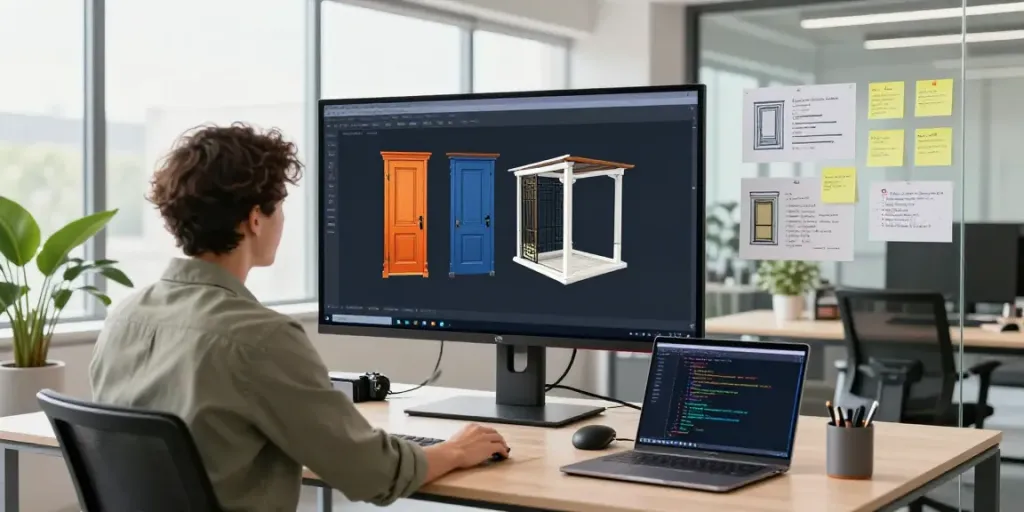
Product configurator software is an advanced tool that allows customers and sales teams to customize products to their specific requirements. It provides a user-friendly interface where users can select various attributes, including size, color, material, and additional features, resulting in a tailored product that meets individual preferences. This software is particularly valuable for industries that specialize in complex or made-to-order products, such as furniture, automotive, and construction.
Key Features and Benefits
- Real-Time Visualization: Many configurators offer 3D visualization, allowing customers to see changes to the product in real-time as they make selections.
- Integration Capabilities: Configurators can integrate seamlessly with existing CRM, ERP, and manufacturing systems, ensuring data flows smoothly between teams.
- Guided Selling Process: The software often incorporates guided selling features that assist customers in making informed decisions based on their preferences.
- Live Price Calculations: Users can receive instant pricing updates as they configure products, enhancing transparency and speeding up the decision-making process.
- Comprehensive Reporting: Businesses can leverage data insights to track customer preferences, sales patterns, and inventory levels.
Who Can Benefit from These Solutions?
Product configurator software is indispensable for various stakeholders in the supply chain. Manufacturers can benefit by reducing lead times and minimizing errors in custom orders. Retailers and eCommerce teams can enhance customer engagement by providing a personalized shopping experience. Installers and project-based sellers can streamline the configuration and ordering process, ensuring that they meet customer specifications effectively.
Implementing a Successful Configurator Strategy
Creating a successful product configurator strategy involves careful planning and execution. Organizations must approach implementation with a clear understanding of their goals, customer needs, and existing processes. The following sections will delve into effective steps for ensuring a smooth launch of your configurator.
Steps for a Seamless Implementation
- Define Objectives: Identify what you aim to achieve with the configurator. This could include reducing order errors, enhancing customer experience, or speeding up the sales process.
- Map Product Data: Organize your product catalog, including dimensions, options, pricing, and dependencies. Clear documentation is vital.
- Choose the Right Technology: Select a configurator software that aligns with your existing systems and offers the features you need.
- Engage Stakeholders: Involve key stakeholders from sales, marketing, and production to ensure the configurator meets various needs.
- Test Rigorously: Conduct thorough testing with real users to identify any issues before the full rollout.
Choosing the Right Product Configurator Software
When selecting product configurator software, consider factors such as usability, integration capabilities, customization options, and customer support. Look for vendors that offer a robust platform that can adapt to your specific needs, whether you're a small business or a large manufacturer.
Common Challenges and Solutions
Like any software implementation, there are challenges to anticipate. Some common issues include resistance to change, integration troubles, and inadequate training. Address these challenges by providing comprehensive training programs, fostering a culture of collaboration, and ensuring that the configurator integrates smoothly with existing systems.
Enhancing User Experience with Configurators
User experience is crucial when implementing product configurator software. A well-designed configurator can significantly influence a customer’s buying decision. The following elements are essential for creating an engaging and intuitive user experience:
Designing for Intuitive Navigation
The configurator interface should be easy to navigate, with clear categories and subcategories that guide users through the selection process. Employing logical flows and clear labeling can help customers intuitively find what they need without frustration.
Incorporating 3D Visualization
3D visualization allows customers to engage more deeply with the product. By implementing real-time rendering technologies, users can see their configurations visually, making the process more enjoyable and interactive.
Making Product Choices Engaging
Incorporate features like color swatches, materials, and visual feedback that help users understand how their choices impact the final product. Gamification elements, such as progress indicators and rewards for completing configurations, can also enhance engagement.
Tracking Metrics and Measuring Success
To determine the success of product configurator software, businesses must track specific metrics and indicators. Understanding how to measure performance and gather insights is essential for continuous improvement.
Key Performance Indicators for Configurators
- Conversion Rate: Measure the percentage of users who complete a configuration and proceed to purchase.
- Average Configuration Time: Track how long it takes customers to complete their configurations.
- Customer Satisfaction Scores: Use surveys to gather feedback on user experience and satisfaction.
- Error Rate: Monitor the frequency of errors in orders resulting from the configurator.
Leveraging User Feedback for Continuous Improvement
Pursue user feedback not just at launch but continuously. Use surveys, interviews, and analytics to gather insights into how the configurator is performing and where users encounter difficulties. Make adjustments based on this data to enhance usability.
Case Studies of Successful Implementations
Examining case studies from industries similar to your own can provide valuable insights. For instance, a furniture manufacturer that implemented a 3D configurator saw a 30% increase in sales after simplifying their product customization process. Such concrete examples can serve as benchmarks and inspire your strategy.
Future Trends in Product Configuration
As technology continues to evolve, so too does the landscape of product configurator software. Companies must stay abreast of emerging trends that can enhance their offerings or disrupt the market.
Emerging Technologies in 2026
2026 promises significant advancements in virtual reality (VR) and augmented reality (AR). These technologies will provide immersive experiences, allowing customers to visualize products in their environment before making a purchase. Such capabilities will enhance engagement and reduce returns.
The Role of AI and Machine Learning
Artificial intelligence and machine learning will play an increasingly prominent role in product configurators, providing predictive analytics, personalized recommendations, and automated responses to customer queries. This will not only improve user experience but also help businesses analyze vast amounts of data effectively.
Predictions for the Future of Configurable Products
As consumer expectations rise, the demand for high levels of customization will continue. Businesses must adapt by offering configurators that allow for greater flexibility and personalization. Furthermore, sustainability trends may drive the development of configurators that allow consumers to choose eco-friendly materials and processes.
What is the best product configurator software?
Determining the best product configurator software depends on your specific industry needs and the features that best align with your business objectives. Look for solutions that emphasize customization, user experience, and integration.
How can I enhance user engagement with my configurator?
To enhance user engagement, focus on intuitive design, interactive elements, and real-time feedback. Incorporating advanced technologies can also significantly improve the configurator experience.
What metrics should I track for product configurator success?
Track metrics such as conversion rates, user satisfaction, configuration time, and error rates to gauge success and identify areas for improvement.
How does product configurator software integrate with other systems?
Product configurator software can integrate with existing CRM, ERP, and PIM systems through APIs and webhooks. Proper planning is essential for a seamless connection.
What are the latest trends in product configuration technology?
Stay informed on trends such as the use of AR/VR, AI integration, and a focus on sustainable product options. These innovations will shape the future of product configuration.