Understanding the Foundations of Hue Alchemy
Color is the essence of visual expression, influencing emotions, conveying messages, and shaping our experiences. At the heart of this intricate world lies the practice of color mixing, encapsulated in the concept of Hue Alchemy. This term refers to the meticulous craft of deconstructing colors to understand their origins, behaviors, and the chemistry that brings them to life. By studying the properties of various pigments, artists and designers can harness the full potential of color, allowing for a more profound and informed approach to their work.
What is Hue Alchemy?
Hue Alchemy is more than just mixing paints; it's a comprehensive study that integrates the historical, chemical, and artistic facets of colors. It delves into how colors can be created from scratch, offering detailed recipes for achieving specific shades. This mastery transforms the artist’s toolkit, providing the knowledge needed to reproduce colors with precision, whether for painting, design, or other creative endeavors.
The Science Behind Color Mixing
The practice of mixing colors is rooted in both art and science. Each pigment has unique properties influenced by its chemical composition. Understanding these properties allows artists to predict how colors will interact. For example, certain pigments may blend seamlessly, while others can produce unexpected results. Utilizing ratios when combining different shades can lead to vibrant, harmonious outcomes or, conversely, muddied mixtures if not approached carefully.
Historical Context of Color Pigments
A brief history of color reveals intriguing stories of discovery, trade, and innovation. From the rich reds of ochre used by ancient artists to the discovery of synthetic pigments in the 19th century, each color carries a narrative that reflects the culture and technology of its time. Understanding this history enriches the creative process, allowing artists to connect their work with centuries of tradition.
Essential Tools and Materials for Mixing Colors
To embark on the journey of color mixing, you'll need not only knowledge but also the right tools and materials. Preparing your workspace and choosing the correct pigments and mediums is crucial to achieving your desired results.
Preparing Your Workspace for Color Projects
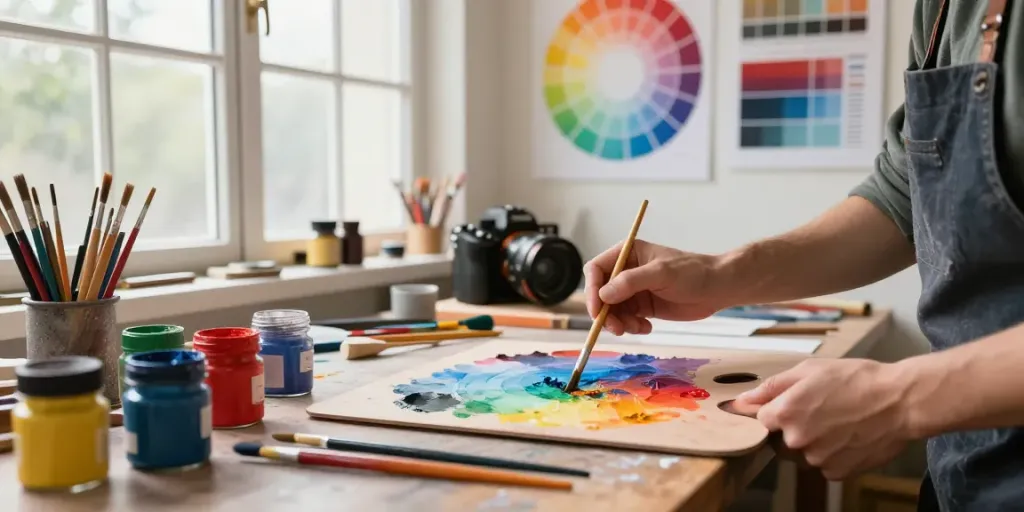
A well-organized workspace enhances creativity and encourages experimentation. Begin by selecting a clean, well-lit area where you can set up your mixing station. Gather all necessary supplies, including pigments, mediums, brushes, and mixing tools. Make sure to keep your workspace free from distractions, allowing you to focus entirely on your color alchemy projects.
Must-Have Pigments and Mediums
When starting with color mixing, specific pigments are essential. Primary colors such as cyan, magenta, and yellow serve as the foundation for creating all other hues. Additionally, having a variety of whites and blacks can help adjust the brightness and depth of your mixtures. Mediums (like oils, acrylics, or watercolors) play a vital role in defining the texture and finish of your work. Understanding which medium complements your pigments will further refine your mixing techniques.
Mixing Tools: Brushes, Palettes, and More
The tools you choose can significantly affect the outcome of your color mixing. A variety of brushes in different sizes will help you apply colors with precision. Palettes, whether traditional or disposable, provide a clean surface for mixing. Other helpful tools include spatulas for blending and droppers for precise measurements of liquids. Investing in quality tools will enhance your mixing experience and the quality of your results.
Step-by-Step Guide to Mixing Colors
Now that you have your workspace and materials ready, it's time to delve into the actual process of color mixing. By following systematic steps, you can ensure that your blends are consistent and meet your desired outcomes.
Choosing Ratios for Perfect Blends
The ratio in which you mix pigments is crucial for achieving specific shades. Start by testing small amounts to find the right balance. A common approach is to use a ratio of 2:1 (two parts of one color to one part of another) and adjust as necessary. Keep track of your ratios to replicate successful mixes later.
Techniques for Achieving Desired Shades
Experimenting with various mixing techniques can yield exciting results. Wet-on-wet blending allows for softer transitions, while wet-on-dry can create sharper contrasts. Additionally, layering colors systematically can enhance depth and visual interest. Do not hesitate to mix unexpected colors; sometimes the most surprising results lead to unique shades.
Common Mistakes to Avoid in Color Mixing
While color mixing is a creative venture, there are pitfalls to be aware of. One common mistake is not testing colors before applying them. Always create small test swatches to see how colors interact. Additionally, overmixing can dull the vibrancy of your hues, so aim for fluid combinations rather than uniformity. Lastly, remember to clean your brushes thoroughly between mixes to prevent contamination.
Exploring Color Theory and Its Applications
Understanding basic color theory can significantly enhance your ability to mix and apply colors effectively. Color relationships, such as complements and analogs, play a pivotal role in creating cohesive artworks.
Complementary and Analogous Colors
Complementary colors are those that are opposite each other on the color wheel. Using these colors together creates vibrant contrasts that can energize a composition. On the other hand, analogous colors sit next to each other on the wheel and often produce harmonious blends. Understanding these relationships enhances not only mixing skills but also the overall visual impact of your work.
Color Psychology in Art and Design
Colors evoke emotions and can influence perception. For example, warm colors like red and orange can create feelings of warmth and excitement, while cool colors like blue and green often convey calm and tranquility. Incorporating color psychology into your work allows you to communicate more effectively, whether in an artwork or a design.
Using Color in Different Mediums
Each artistic medium responds differently to color mixing. Acrylics may dry quickly, requiring swift decisions, while oils allow for longer blending times. Watercolors have their own unique transparency and layering capabilities. By understanding how each medium interacts with color, you can tailor your mixing strategies to suit your artistic style.
Future Trends in Color and Hue Alchemy
The evolution of color science and technology is constantly shifting, bringing new possibilities to artists and designers. Staying ahead of these trends can enhance your practice and keep your work relevant.
Emerging Techniques in Color Mixing
Innovative techniques such as digital color mixing are becoming increasingly popular. Artists are now using software to experiment with color combinations before applying paint. This virtual approach allows for rapid prototyping and exploration of colors without the constraints of physical materials.
Technological Innovations Impacting Color Art
Advancements in material science are leading to new pigments and tools that can enhance color mixing. For instance, the emergence of nanotechnology in pigments promises to create more vibrant, durable colors with higher lightfastness. Artists who embrace these innovations can expand their palettes and enhance their artistic expression.
Predictions for Color Trends in 2026
Looking ahead to 2026, we may see a shift towards more sustainable and eco-friendly pigments as environmental consciousness grows. Additionally, color palettes may reflect societal changes, leaning towards colors that inspire hope and resilience. Artists will likely adapt their mixing practices to align with these emerging trends, ensuring their work remains both impactful and relevant.
What is the significance of Hue Alchemy in modern art?
In contemporary art, the significance of mastering color mixing cannot be understated. It allows artists to break boundaries, pushing the limits of traditional color use and defining their unique voices. Hue Alchemy encourages exploration and experimentation, leading to innovative approaches that challenge the status quo in visual arts.
How can I apply color theory to my projects?
Applying color theory to your projects requires practice and understanding. Start by analyzing well-known artworks and noting how colors interact. Experiment with mixing colors according to color theory principles, and seek feedback from peers to refine your understanding continuously.
What common pitfalls should I avoid with color mixing?
Common pitfalls include neglecting to test mixes, failing to consider the properties of pigments, and not being aware of how light affects color perception. By avoiding these mistakes and approaching color mixing with a thoughtful mindset, you can achieve more desirable outcomes.
How do I expand my palette effectively?
To expand your palette, begin by researching and investing in high-quality pigments that resonate with your artistic voice. Experiment with limited palettes to refine your mixing skills before broadening your range. Document your mixing processes and results to create a personalized reference guide.
What resources can enhance my understanding of pigments?
Resources such as books on color theory, workshops, and online tutorials can significantly deepen your understanding of pigments and mixing techniques. Joining artist communities online can also provide valuable insights and encouragement as you continue your journey in Hue Alchemy.