Understanding Vegan Astaxanthin
In recent years, the popularity of vegan astaxanthin has surged, drawing attention from health enthusiasts and those seeking natural supplements. But what exactly is astaxanthin, and why is it garnering such interest, particularly among those following a vegan lifestyle? This powerful antioxidant, known for its intense red pigment, is primarily sourced from microalgae, making it an appealing choice for consumers searching for plant-based health solutions. As we delve deeper into the world of astaxanthin, we will explore its health benefits and how it can be incorporated into a balanced diet.
What is Vegan Astaxanthin?
Vegan astaxanthin is a carotenoid antioxidant derived specifically from microalgae such as Haematococcus pluvialis, which is recognized as the richest natural source of this pigment. Unlike its animal-derived counterparts found in seafood, vegan astaxanthin offers a cruelty-free option for those looking to enhance their health through supplementation. This remarkable compound not only adds a vibrant color to foods and supplements but is also revered for its numerous health-promoting properties.
Health Benefits of Astaxanthin
Astaxanthin boasts a range of health benefits, making it an attractive supplement for various individuals. Here are some notable advantages:
- Powerful Antioxidant Properties: Astaxanthin is often cited as one of the most potent antioxidants, surpassing other carotenoids such as beta-carotene and lutein. Its ability to combat oxidative stress is crucial for overall health.
- Supports Eye Health: Research suggests that astaxanthin may help reduce eye fatigue and improve visual acuity, making it a beneficial nutrient for those who spend extended periods in front of screens.
- Enhances Skin Health: Astaxanthin can aid in skin protection against UV damage and may improve skin elasticity and moisture content.
- Improves Endurance: Some studies have shown that astaxanthin may enhance athletic performance by reducing muscle soreness and improving recovery times.
Sources of Vegan Astaxanthin
The primary source of vegan astaxanthin is the microalga Haematococcus pluvialis. This potent alga can be found in various supplements, and its extract is often used in food coloring. Additionally, some plant-based foods may contain lower levels of astaxanthin or related carotenoids, although supplementation is typically recommended for those looking to reap its full benefits.
Incorporating Vegan Astaxanthin into Your Diet
With the rising awareness of vegan astaxanthin and its health benefits, many individuals are eager to know how to incorporate this powerful antioxidant into their daily diet. There are various ways to enjoy astaxanthin, from smoothies to health supplements. When exploring options, vegan astaxanthin provides comprehensive insights into how it can be seamlessly integrated into a healthy lifestyle.
Best Foods and Recipes Featuring Astaxanthin
While astaxanthin can be taken as a supplement, adding it to food can enhance flavor and provide additional nutrients. Here are some food ideas:
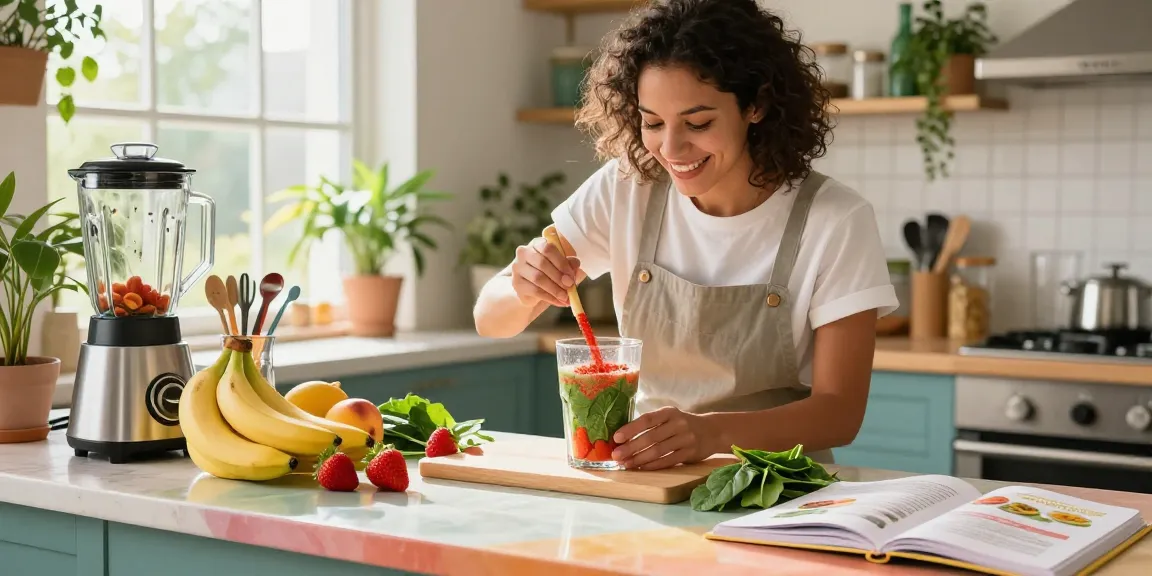
- Smoothies: Smoothies are an excellent way to incorporate astaxanthin. Simply add a few drops of astaxanthin oil or powder into your favorite smoothie mix.
- Salads: Nutritious salads can benefit from the vibrant color and health benefits of astaxanthin. Use dressings that include astaxanthin or top your salad with a sprinkle of astaxanthin powder.
- Baked Goods: For those who enjoy baking, adding astaxanthin powder to breads and muffins not only elevates the nutritional profile but also adds a delightful hue.
Daily Dosage and Consumption Tips
The recommended daily intake of astaxanthin varies depending on individual health goals and dietary preferences. Most studies suggest a dosage range of 4 to 12 mg per day for optimal health benefits. It is important to consult with a healthcare provider before starting any supplementation regimen, especially for those with pre-existing health conditions or those who are pregnant.
Challenges in Adding Astaxanthin to Meals
While vegan astaxanthin offers numerous benefits, there can be challenges in incorporating it into everyday meals. One key challenge is the relatively high cost of astaxanthin supplements compared to other nutrients. Moreover, the flavor of astaxanthin, if not properly masked, can be off-putting for some people. Experimentation with different recipes and combinations can help in overcoming these barriers.
Delicious Smoothie Recipes with Vegan Astaxanthin
If you are looking for simple and tasty ways to incorporate vegan astaxanthin into your diet, smoothies are a fantastic option. Here are three invigorating recipes:
Green Smoothie Recipe
Ingredients:
- 1 cup spinach
- 1 ripe banana
- 1/2 avocado
- 1 tablespoon vegan astaxanthin powder
- 1 cup almond milk
Blend all ingredients until smooth and enjoy a nutrient-rich green smoothie packed with antioxidants!
Berry Blast Smoothie Recipe
Ingredients:
- 1 cup mixed berries (blueberries, strawberries, raspberries)
- 1 banana
- 1 tablespoon vegan astaxanthin powder
- 1 cup coconut water
This delicious berry smoothie is not only refreshing but also boosts your antioxidant intake.
Tropical Smoothie Recipe
Ingredients:
- 1 cup pineapple chunks
- 1 ripe mango
- 1 tablespoon vegan astaxanthin powder
- 1 cup coconut milk
Blend these tropical flavors together for a delightful and energizing smoothie that supports overall health!
Maximizing Health Benefits from Astaxanthin
To fully harness the benefits of astaxanthin, it's essential to consider how it can work alongside other nutrients and dietary elements.
Combining Astaxanthin with Other Superfoods
Astaxanthin can be even more effective when paired with other superfoods. For example, combining it with omega-3 fatty acids can improve cardiovascular health, while synergy with vitamin E can enhance its antioxidant capabilities.
Understanding Antioxidant Synergy
Antioxidant synergy refers to the enhanced effectiveness that occurs when different antioxidants are used together. Studies have shown that combining astaxanthin with other antioxidants like vitamin C and selenium can amplify its health benefits, providing greater protection against oxidative stress.
Monitoring Your Health Progress
As with any supplementation, tracking how your body responds to astaxanthin can provide valuable insights. Keeping a diary of your health goals, dietary choices, and any noticeable changes can help you and your healthcare provider make informed decisions regarding your health regimen.
Future Trends: Vegan Astaxanthin in 2026
The future of vegan astaxanthin looks promising, with developments in research and consumer demand continuously evolving.
Emerging Research and Developments
Research into the health benefits of astaxanthin is ongoing, with new studies exploring its potential effects on brain health, immune function, and even anti-aging properties. As more evidence emerges, it may solidify astaxanthin's role as a staple in dietary supplements.
Innovative Food Products Featuring Astaxanthin
As the demand for plant-based products rises, new food items incorporating astaxanthin are likely to emerge. Expect to see snacks, beverages, and desserts that not only include astaxanthin but also highlight its health benefits, appealing to the growing vegan and health-conscious markets.
Consumer Demand for Plant-Based Supplements
The trend toward plant-based diets is expected to increase, leading to a higher demand for supplements like vegan astaxanthin. As consumers become more educated about the benefits of plant-based nutrition, manufacturers will continue to innovate and provide more options to meet these needs.
What are the benefits of vegan astaxanthin?
Vegan astaxanthin is associated with numerous health benefits, including powerful antioxidant properties, eye health support, skin protection, and improved athletic performance.
How can I incorporate vegan astaxanthin into my diet?
You can easily include vegan astaxanthin in your diet by adding it to smoothies, salads, or baked goods, or by choosing high-quality supplements.
Are there any side effects of taking astaxanthin?
Astaxanthin is generally recognized as safe when taken in recommended doses. However, some individuals may experience mild digestive upset or a change in skin pigmentation.
Can children consume vegan astaxanthin safely?
Though vegan astaxanthin is safe for most individuals, it's advisable to consult with a pediatrician before introducing any supplements into a child's diet.
What recipes can I try using vegan astaxanthin?
Delicious recipes using vegan astaxanthin include various smoothie blends, creamy salad dressings, and baked treats, allowing for enjoyable and nutritious ways to boost your antioxidant intake.