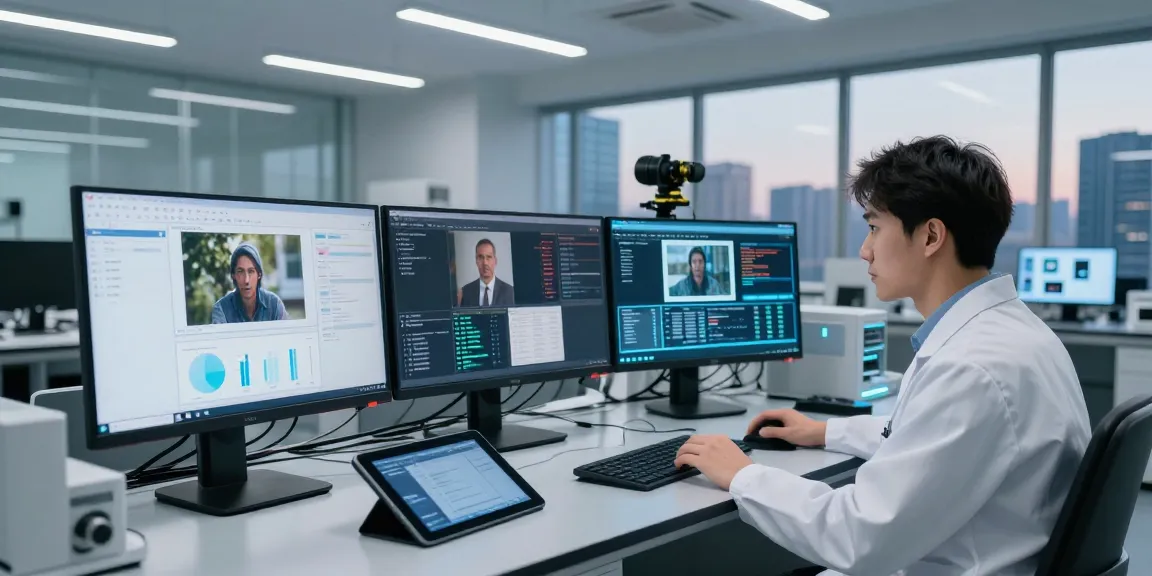
Understanding AI-Generated Image Detection
The advancement of artificial intelligence has opened doors to incredible innovations, one of which is the ability to generate realistic images. However, this technological marvel also raises significant challenges, particularly in verifying the authenticity of visual content. AI-Generated Image Detection has emerged as a critical field, aiming to distinguish between human-created images and those generated by AI algorithms. As AI continues to influence various domains, understanding the nuances of image detection becomes essential for media, academia, and social platforms.
What is AI-Generated Image Detection?
AI-Generated Image Detection refers to the techniques and technologies used to identify images that have been produced by artificial intelligence rather than by a human photographer or artist. These methods analyze visual content for signs of AI manipulation, such as inconsistencies in texture, lighting, and composition, which can indicate synthetic creation. Various algorithms and machine learning models are employed in this detection process, making it a dynamic area of research.
The Importance of Detecting AI-Generated Images
The proliferation of AI-generated images presents numerous challenges, primarily concerning misinformation and trust in visual media. As these images become more prevalent, the potential for misuse grows—especially in contexts like political propaganda, fake news, or fraudulent advertising. Detecting AI-generated images is crucial for maintaining the integrity of information shared online and ensuring consumers can discern between reality and artificial constructs. By implementing robust detection methods, businesses and individuals can uphold authenticity and foster trust.
Technologies Behind Detection Techniques
Various technologies underpin the detection of AI-generated images, utilizing advanced machine learning and computer vision techniques. Some common methods include:
- Deep Learning: Neural networks are trained on vast datasets of both real and AI-generated images, enabling them to learn patterns that distinguish the two.
- Feature Analysis: Algorithms analyze visual features such as pixel distribution, color saturation, and edge detection to identify anomalies often present in AI-generated images.
- Metadata Inspection: Examining the metadata of an image can reveal whether it was created with specific AI tools, but this method has limitations as metadata can be manipulated.
Challenges in AI-Generated Image Detection
Common Misconceptions about AI Image Authenticity
Many people believe that AI-generated images are easily identifiable due to their synthetic nature. However, as technology improves, so too does the realism of these images. This misconception can lead to a false sense of security in visual media consumption, where audiences may overlook or misjudge the authenticity of images based on superficial assessments.
Technical Limitations and Obstacles
Despite advancements, AI-generated image detection faces several technical hurdles. The primary challenges include:
- High-Quality Generation: AI models like GANs (Generative Adversarial Networks) can produce images that are virtually indistinguishable from real ones, complicating detection efforts.
- Dynamic Updates: As detection technologies evolve, AI generation techniques also adapt, creating a constant game of catch-up.
- Lack of Standardized Benchmarks: The absence of universally accepted benchmarks for evaluating detection tools may hinder consistency and reliability in the field.
Ethical Considerations in Image Detection
The ethical implications surrounding AI-generated image detection are profound. Questions arise regarding privacy, consent, and the potential for bias in detection algorithms. Ensuring fairness and transparency—and mitigating the risk of profiling or discrimination—will be essential as these technologies are deployed in sensitive areas like law enforcement or content moderation.
Best Practices for Effective Detection
Choosing the Right Detection Tools
With an array of tools available for AI-generated image detection, selecting the most suitable can be overwhelming. Users should consider factors such as:
- Accuracy: Look for tools that provide high precision and recall rates in identifying AI-generated content.
- User Experience: A well-designed interface can enhance the efficiency of detection efforts.
- Support and Updates: Opt for tools from providers who offer regular updates and support to adapt to evolving AI technologies.
Combining Human Insight with AI Technology
While AI plays a significant role in image detection, human expertise remains irreplaceable. Combining machine learning capabilities with human intuition can lead to more accurate and contextualized assessments. Training personnel to recognize subtle cues that algorithms may overlook enhances overall detection effectiveness.
Implementing Robust Training Protocols
Continuous education on the latest trends and technologies in AI-generated content is vital. Organizations should implement training protocols that inform employees about emerging threats, best practices in verification, and the latest detection tools, ensuring a well-informed workforce capable of navigating the complexities of synthetic media.
Real-World Applications of Detection Technologies
Case Studies in Media and Journalism
Media organizations are increasingly utilizing AI-generated image detection tools to combat misinformation. For instance, a major news outlet recently deployed image detection software to verify the authenticity of visual content during election cycles, resulting in higher accuracy in report validation and bolstering audience trust.
Applications in Academic Research
In academia, researchers are leveraging AI image detection technologies to authenticate visuals used in publications, ensuring that academic integrity is maintained. Studies utilizing AI detection have demonstrated the technology’s efficacy in distinguishing between genuine and AI-generated images, leading to more reliable results in research findings.
Implications for Social Media Platforms
Social media platforms are at the forefront of addressing challenges posed by AI-generated images. By adopting advanced detection tools, these platforms can mitigate the spread of misleading content. Many are exploring collaborations with AI detection firms to enhance their content moderation capabilities, ensuring that users have access to accurate and verified information.
The Future of AI-Generated Image Detection
Emerging Technologies and Trends for 2026
As we look towards the future, several trends are expected to shape the landscape of AI-generated image detection. The rise of quantum computing, for example, may significantly enhance processing speeds and capabilities, allowing for more sophisticated detection algorithms. Furthermore, developments in deep learning architectures and reinforcement learning could lead to more adaptive and precise detection methods.
Predictions for AI Image Detection in Different Industries
In various industries, the integration of AI-generated image detection will vary in complexity and implementation:
- Healthcare: Enhanced imaging techniques with detection capabilities may assist in identifying manipulated medical images.
- Marketing: Brands will likely rely on detection tools to authenticate influencer-generated content.
- Education: Institutions may deploy detection technologies to maintain academic integrity in visual submissions.
Preparing for a Rapidly Evolving Digital Landscape
To stay ahead in the evolving digital landscape, stakeholders must invest in ongoing research, collaborations, and technological advancements. Preparing to meet the demands of an increasingly AI-driven world will require adaptability and foresight, ensuring that detection technologies keep pace with advancements in image generation.
What tools can detect AI-generated images?
Several tools are available, ranging from specialized AI detectors to platforms that integrate detection capabilities into broader verification systems. Choices should be informed by the specific needs of users, such as the type of images being analyzed and the context in which detection is required.
How effective are current detection methods?
While current detection methods are proving effective in many cases, they are not foolproof. Detection rates can vary based on the quality of the AI-generated image and the sophistication of the detection algorithm. Continuous improvement and adaptation in these technologies are essential.
What are the implications of AI-generated content?
The implications are vast, ranging from misinformation propagation to challenges in copyright enforcement. Navigating these issues requires collaboration among technologists, legal experts, and ethicists to establish frameworks that can guide the responsible use of AI-created images.
Can AI-generated images be fully trusted?
Trusting AI-generated images comes with caveats. While they can serve legitimate purposes, the potential for misuse necessitates caution. Individuals and organizations must prioritize verification and rely on reliable detection tools to discern authenticity.
Future trends in AI-Generated Image Detection?
Future trends will likely include enhanced algorithms that utilize larger datasets for training, improving their ability to identify nuanced differences between AI-generated and real images. Moreover, the convergence of AI detection with blockchain technology could offer verifiable authenticity for images.